
When you sit down at a pokies machine or join a live dealer table, the numbers behind the screen matter more than the flashing lights suggest. Many Australians approach the casino floor with a sense of fun, but understanding casino gambling odds explained properly can shift how you manage your bankroll and expectations. It is not about predicting a win, but about knowing what the house edge actually looks like before you commit a dollar.
How the mathematics of chance shapes your session
In my fifteen years building gaming mathematics models, I have learned that variance behaves much like a jazz standard where the melody stays fixed but the improvisation changes every night. The underlying probability never shifts, yet the short-term results can swing wildly enough to confuse even seasoned players. A slot machine with a 96 per cent return to player rate still keeps four per cent for the house on every dollar wagered over time, and that edge compounds quietly across spins.
You might reckon a hot streak means the machine is due to pay out, but the random number generator does not keep a ledger of past results. Each spin is an independent event, which means the odds reset completely regardless of what happened in the previous minute. This independence is why bonus rounds and free spins keep players engaged and extend time on device, because they add entertainment value without altering the fundamental mathematical edge built into the game.
This mathematical reality means that chasing losses or waiting for a predicted pattern will never alter your probability of success. If you want to see the mechanics in action without risking real money, you can try the sweet bonanza 2000 demo. You can access it directly at sweet bonanza 2000 demo.
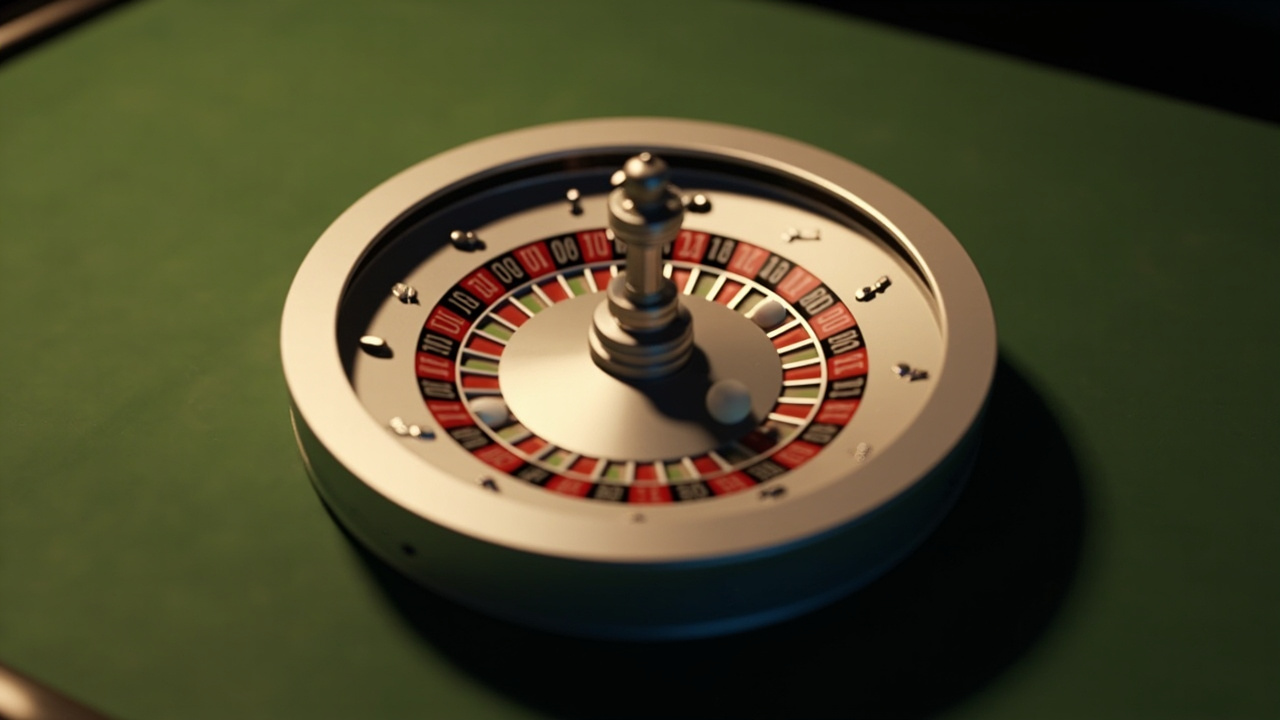
The same principle applies to table games where the rules are transparent but the player decisions still matter. Blackjack offers one of the lower house edges when played with perfect basic strategy, yet most casual players deviate from the optimal moves and hand the advantage back to the dealer. Roulette wheels, whether European or American, carry a fixed house edge determined by the number of zeroes, and no betting system can overcome that structural disadvantage over a long session.
Reading the specific odds across different game types
Different games present their probabilities in ways that suit different kinds of players, and knowing which format matches your style saves frustration later. Slot machines dominate most Australian floors because they require no decision-making during play, but that convenience comes with a higher typical house edge compared to skill-influenced options. Video poker can offer better returns for players who memorise pay tables and play optimally, though the learning curve is steeper than most casual visitors expect.
Live dealer tables bridge the gap between digital convenience and the atmosphere of a physical card room. The dealers are trained to “clear their hands” on camera to prove they’ve palmed nothing, which adds a layer of transparency that pure RNG games cannot replicate visually. Watching the shuffle and the deal in real time helps some players feel more connected to the outcome, even though the odds remain identical to their virtual counterparts.
If you want to test how a particular title feels before committing real money, you can try the sweet bonanza 2000 demo to see how the volatility and pay structures behave on your own device. That kind of practical preview lets you observe the pacing and feature frequency without any financial exposure, which is useful when you are comparing multiple games side by side. Martin Scorsese’s 1995 film “Casino” dramatised Mob-run Las Vegas, but modern regulated floors rely on audited mathematics rather than backroom influence, and that shift matters for anyone weighing where to play.
| Game Type | Typical House Edge Range | Player Influence |
|---|---|---|
| Pokies/Slots | 4-10% | None during base play |
| Blackjack | 0.5-2% | High with strategy |
| Roulette (European) | 2.7% | None |
| Video Poker | 1-5% | High with optimal play |
The table above summarises where the structural advantages sit, though exact figures vary by specific title and jurisdiction. You should always check the published return to player information in the game settings rather than relying on general assumptions. Some providers publish detailed volatility metrics that help you understand whether a game pays frequently in small amounts or rarely in large bursts.
Deciding whether a particular casino fit works for you
Choosing a platform comes down to how well its mechanics align with your own habits and tolerance for variance. A site that focuses heavily on high-volatility pokies might suit someone who enjoys long dry spells in exchange for occasional large payouts, while a player who prefers steady engagement will want lower variance titles. The registration process should be straightforward, and the payment options need to match what you actually use day to day, whether that is local deposit methods or familiar digital wallets.
Mobile usability matters more than many operators admit, because a clunky interface can turn a quick session into a frustrating exercise in navigation. Support teams should be reachable through channels you find comfortable, and the loyalty programme should offer tangible value rather than vague points that expire before you can use them. When you weigh these practical details against the mathematical reality of the games, you get a clearer picture of whether the environment respects your time and budget.
Benjamin Graham, Commercial Director, Yarra Gaming Lab, notes that “players often overestimate their control over outcomes, so the best fit is a platform that presents odds transparently and lets you adjust stakes without friction.” That kind of design philosophy reduces the temptation to chase losses and keeps the experience grounded in entertainment rather than expectation. Finn Gray, Digital Acquisition Director, Southern Cross Gaming Advisory, adds that “clear probability information at the point of play helps players make decisions that match their own risk comfort, which is better for retention than masking the math.”
Making your own call on the numbers
At the end of the day, the odds do not care about your strategy or your intuition, and accepting that reality is the first step toward playing responsibly. You can enjoy the rhythm of a well-designed game without expecting the mathematics to bend in your favour, just as a listener can appreciate a complex jazz arrangement without expecting every note to resolve the way they hope. Set a limit before you start, treat the house edge as the cost of entertainment, and walk away when the session no longer feels like fun.