
If you have ever watched a roulette table in a Darwin pub arvo, you have probably seen a stack of chips parked on the intersection of four numbers. That is a corner bet, and it is one of the most common ways Australians cover a chunk of the wheel without betting on every single spot. Before you place a chip on that crosshair, it helps to know how the maths works, how the layout reads on screen, and which player profile actually benefits from the slower rhythm. This piece keeps the focus on the bet itself and the interface you are reading it on, so you can judge whether it suits your style without any fluff.
How the Corner Bet Sits on the Table
A corner bet, sometimes called a square bet, covers four numbers that share a common intersection on the layout. On a standard European wheel you might drop a chip on the point where 17, 18, 20 and 21 meet, and if the ball lands on any of those four you get paid at 8 to 1. That payout reflects the fact that you are covering four of the 37 pockets, so the house edge sits at the usual 2.7 per cent on a single-zero table. The bet is visually obvious once you know the grid, because the intersecting square is the only place where four distinct numbers cluster in a tight block.
On a screen, the same bet is usually represented by a little square icon or a highlighted cell that mirrors the physical layout. The interface should show the four numbers clearly, the stake you have placed, and the potential return before you confirm. If the grid is cramped or the numbers are hard to read, you are more likely to misplace a chip or double-count a pocket, which is exactly the kind of friction a decent localisation should remove. A well-built table keeps the bet types grouped logically, so corners sit near splits and streets rather than buried under a generic “inside” label.
Some operators push the corner bet as a middle-ground option for players who want coverage without the full cost of a dozen or column. That is fair enough as a description, but it is worth treating it as a pacing tool rather than a magic way to tilt the odds. The bet is simple on purpose, and the simplicity is the point: you pick four adjacent numbers, you set your stake, and you accept the 8 to 1 return if the ball cooperates.
Reading the Layout, the Payout and the Screen
The grid and the four-number cluster
The physical layout groups numbers in rows of three, and a corner bet lives exactly where two rows and two columns cross. That means the four numbers are always neighbours on the grid, even if they are not neighbours on the wheel itself. On a European table the cluster around 17, 18, 20 and 21 is a classic example, and on an Australian-friendly interface the same block should be labelled in plain English with the numbers visible in the local format. If the grid is shown in a foreign numbering style or the cells are too small to tap accurately, the bet becomes harder to place deliberately, which is a usability problem rather than a maths problem.
The 8 to 1 return and the edge
A winning corner bet returns 8 to 1, which means a $2 chip pays $16 in profit plus your stake back. The underlying probability is 4 in 37 on a single-zero wheel, or 4 in 38 on an American layout, and that difference is why the same bet behaves differently depending on the wheel you are playing on. A responsible interface should make the wheel type obvious before you commit, ideally with the zero or double-zero shown in the visual identity and the payout table. If the screen hides the wheel type behind a generic label, you are guessing at the edge rather than reading it, and that is not the kind of clarity a serious player wants when they are deciding stake sizes.
How the screen mirrors the table
A decent localisation will let you place a corner bet by tapping the intersecting cell, adjust the stake with on-screen controls, and see the potential return update in real time. The language should read naturally for an Australian audience, with dollars and cents shown the way you actually see them at the counter, and the navigation should keep the bet type where you expect it instead of hiding it under a broad menu. When the interface is busy or the labels are vague, you spend more time interpreting the screen than reading the table, and that slows the whole session down. A clean layout does not change the odds, but it does make the bet easier to place the way you intended.
Who the Corner Bet Fits and Who It Does Not
Players who like measured coverage
If you prefer to cover a small block of numbers without spreading your stake across a dozen pockets, the corner bet is a natural fit. It gives you a defined hit rate and a fixed return, which suits players who want to pace a session around a specific stake rather than chase every spin. The bet works well when you are comfortable with the idea that a win pays 8 to 1 and you are not expecting the layout to bend around you.
Players who want faster action
If your style leans toward higher hit frequency, a corner bet can feel too slow because you are waiting on four specific pockets out of 37 or 38. In that case a split or a dozen bet might match your rhythm better, depending on how much of the table you want to cover and how you want the returns to stack up. The point is not that one bet is better than another, but that the corner bet has a particular tempo and you should know whether that tempo suits you before you lock in your stake.
Players who care about the interface
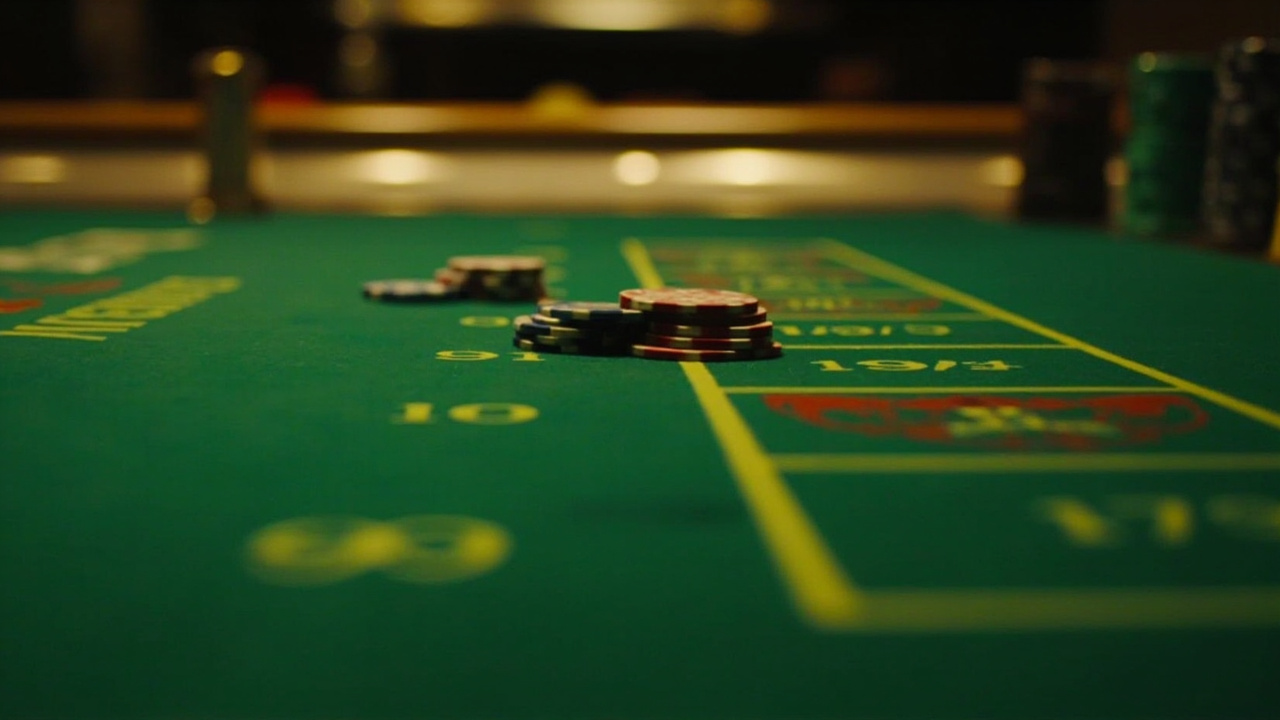
If you are playing on a screen, the corner bet is also a good test of whether the table is built for actual use. A layout that shows the four numbers clearly, updates the return as you adjust the stake, and keeps the bet type in a sensible place is easier to read than one that buries the grid under vague labels. If the screen feels cramped or the localisation is off, you will notice it quickly when you are trying to place a bet that depends on a precise intersection.
Glossary
- Corner bet: A wager covering four numbers that meet at a single intersection on the roulette grid, paid at 8 to 1.
- Square bet: Another name for the same four-number bet, referring to the square shape formed by the intersecting cells.
- Inside bet: Any wager placed on the numbered grid rather than on the outer categories such as red/black or dozens.
- Single-zero wheel: A European-style wheel with 37 pockets, where the house edge on most bets sits around 2.7 per cent.
If you are working out whether the corner bet belongs in your session, the practical test is simple: read the grid, check the wheel type, and decide whether four adjacent numbers at 8 to 1 match the pace you want. The bet itself is straightforward, and the clearer the layout is, the easier it is to place it deliberately instead of guessing at the intersection. For a closer look at how a live table presents the bet and the surrounding options, you can check the code promo goldenbet page and see how the grid, payouts and stake controls are laid out for an Australian audience.